Bridge of Life Up Close
Supporting Kidney Health Across the Globe
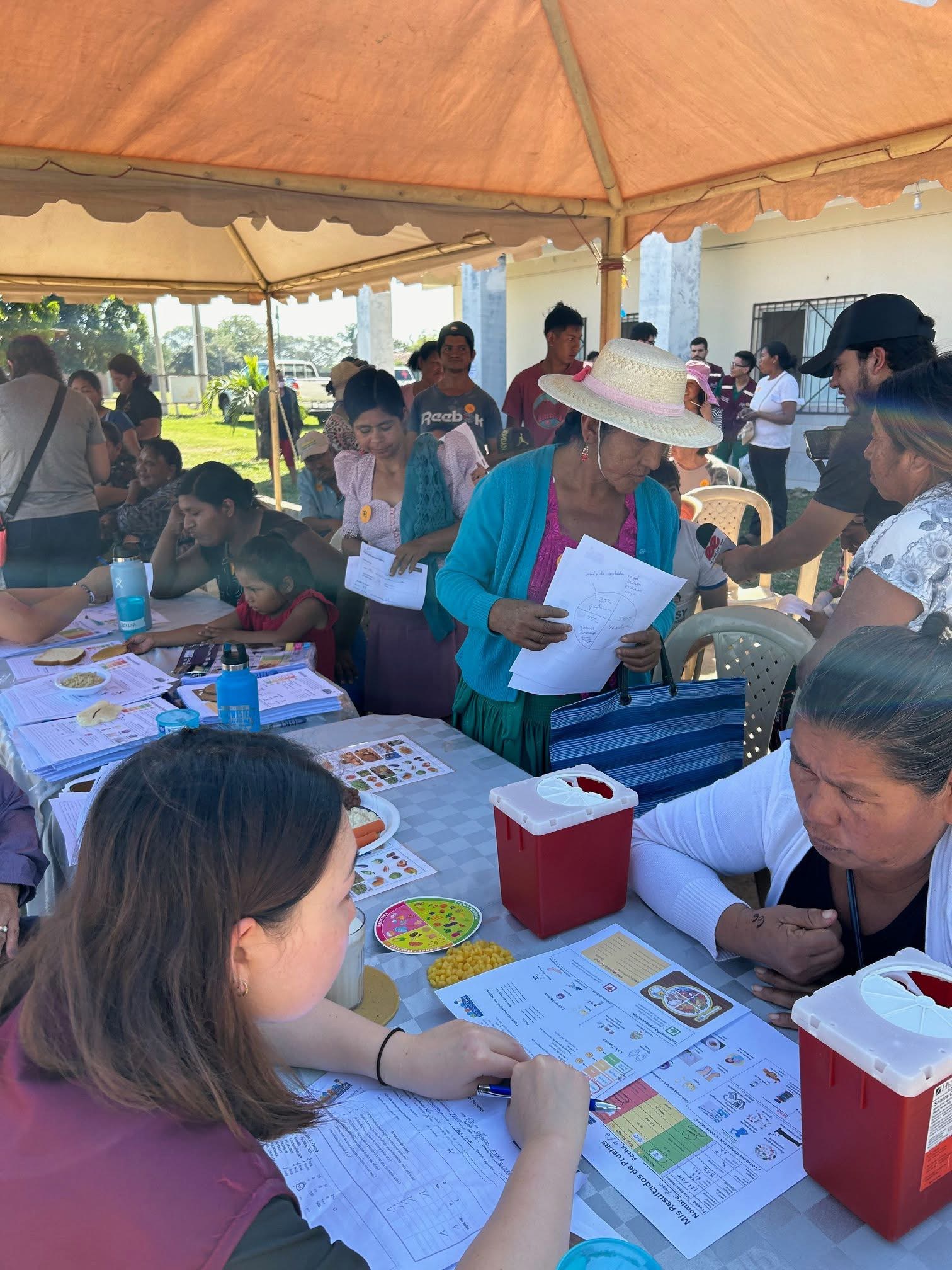
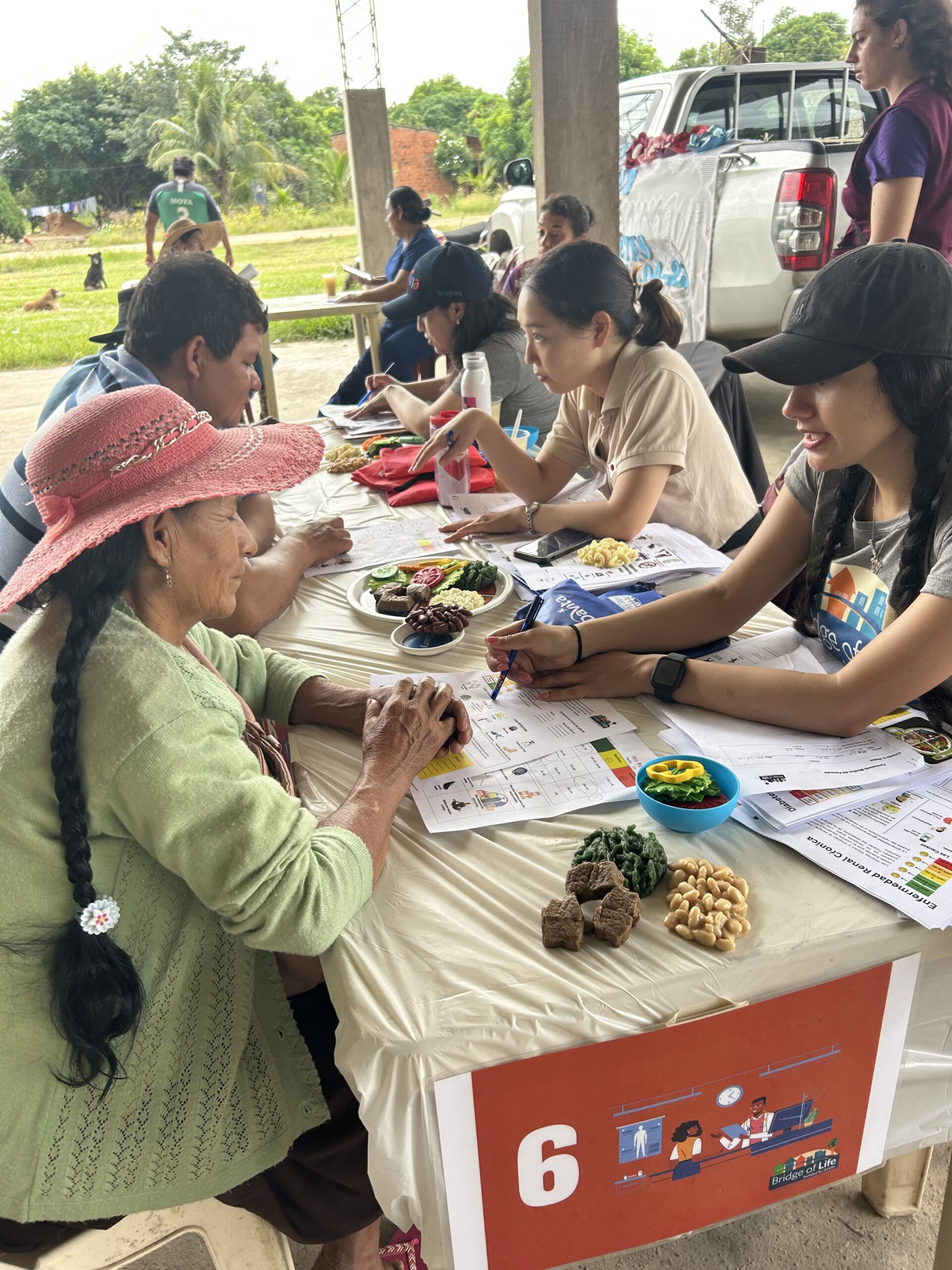
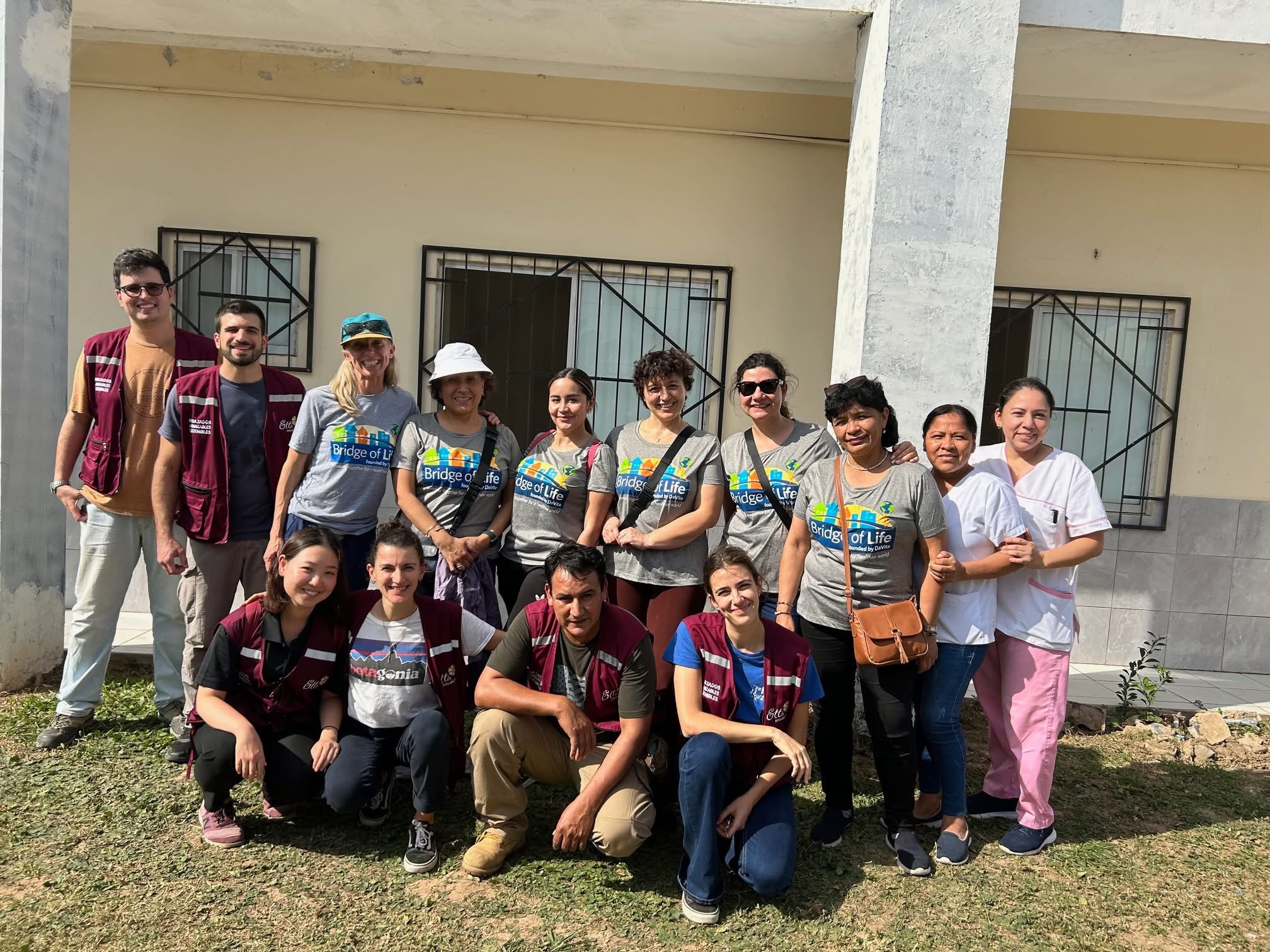
Have you ever wondered how kidney care varies around the world? As a DaVita dietitian, I’ve had the privilege of experiencing this firsthand through Bridge of Life® (BOL). BOL is an independent 501(c)(3) public charity founded by DaVita and fueled in part by the volunteer efforts of thousands of DaVita teammates. Bridge of Life medical missions take healthcare professionals like me to underserved communities around the globe, providing much-needed medical care and education. I’ve been fortunate to participate in five missions, including two in Guatemala, one in Haiti, and most recently, one in Bolivia.
Understanding Local Diets: A Key to Kidney-Friendly Care
One of the most rewarding aspects of these trips is learning about the local food and dietary habits. Before each mission, I research the country’s culture, diet staples, local dishes and what grows in the region. It’s always a joy to connect with patients when you understand and appreciate their favorite foods. And, of course, tasting the local cuisine is a definite highlight!
Haiti: Empowering Health Workers
For the Haiti trip, I focused on equipping Haitian healthcare workers with the knowledge to help their patients manage high blood pressure, diabetes, and other chronic diseases through better dietary habits. I worked with a Haitian medical doctor to make sure the program was culturally sensitive and relevant. While physical activity was also part of the plan, I soon realized that most Haitians already walk long distances every day! In Haiti, the long lines of people waiting for care were a testament to the overwhelming need. We learned that communities with access to fishing, local produce, and clean water generally had better health outcomes.
Guatemala & Bolivia: Challenges and Insights
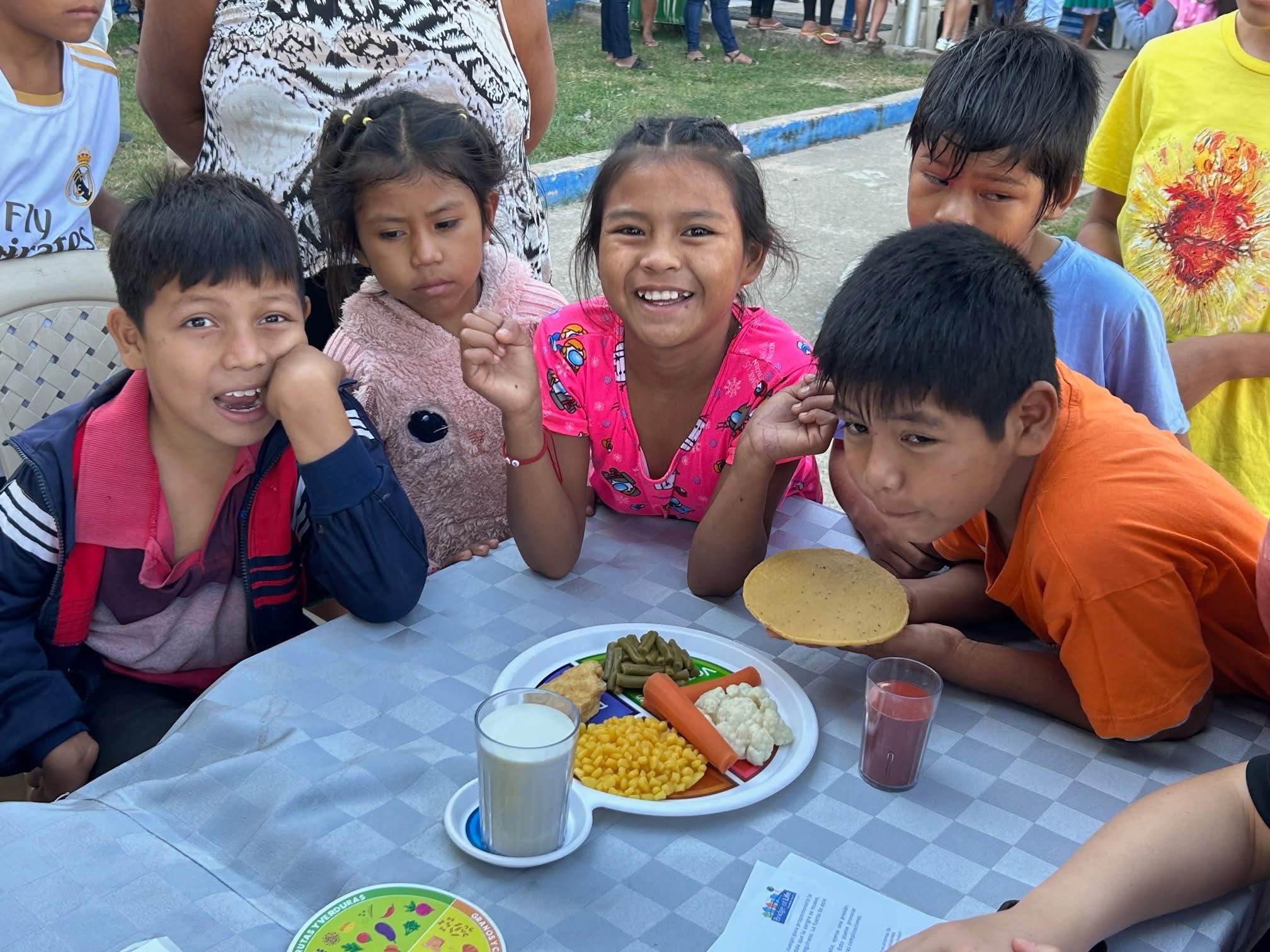
In Guatemala and Bolivia, I expanded my understanding of the local foods. I learned that many people eat a diet high in simple carbohydrates, calories and salt, while lacking vegetables. As a result, diabetes and obesity are on the rise. Sadly, we met patients with advanced chronic kidney disease (CKD) who had no access to dialysis. Even for those who could access dialysis in larger cities, there was no path to kidney transplant or vascular surgeons.
These experiences have deeply impacted me. They have taught me the value of something we often take for granted: fresh water, and the importance of electricity and resources.
Trying New Kidney-Friendly Flavors
While dietary habits vary widely across cultures, the main parts of a kidney-friendly diet are the same: managing sodium, phosphorus, potassium and protein intake. Even if you’re not volunteering abroad, learning about different cuisines can inspire you to try new flavors and ingredients in your own kidney-friendly meals.
Caribbean and Latin American Kidney-Friendly Recipe Ideas from DaVita.com
Want to help?
If you’re a DaVita teammate who’s looking for a meaningful way to give back, consider volunteering with a BOL medical mission. You don’t have to be a dietitian to make a difference. Your support will help provide much-needed care and education to communities around the world. Learn more about Bridge of Life here.
Additional Kidney Diet Resources
Visit DaVita.com and explore these diet and nutrition resources:
DaVita Kidney-Friendly Recipes
This article is for informational purposes only and is not a substitute for medical advice or treatment. Consult your physician and dietitian regarding your specific diagnosis, treatment, diet and health questions.
Expanding Impact Through Kidney Health Screenings in Southern Chile
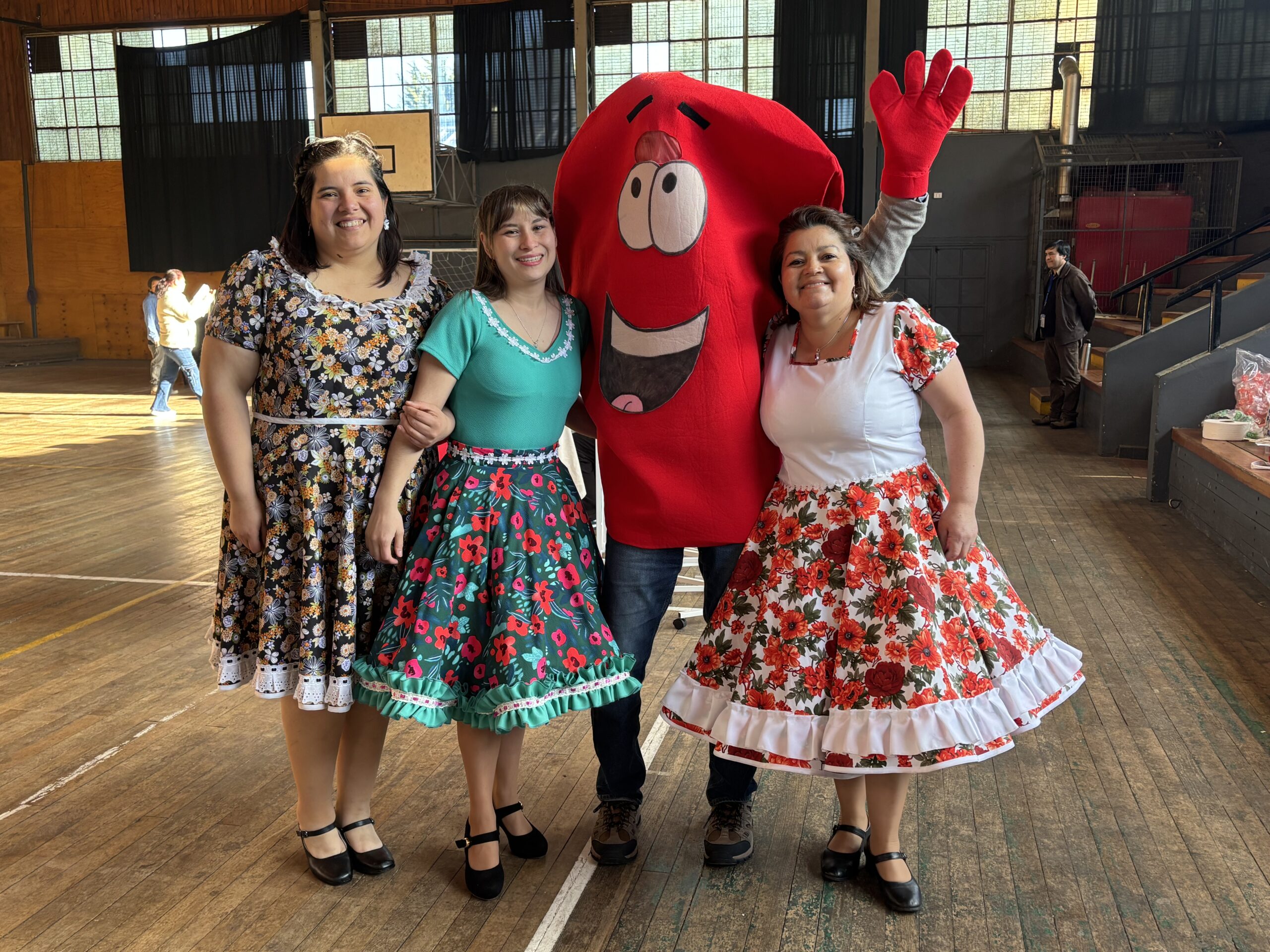
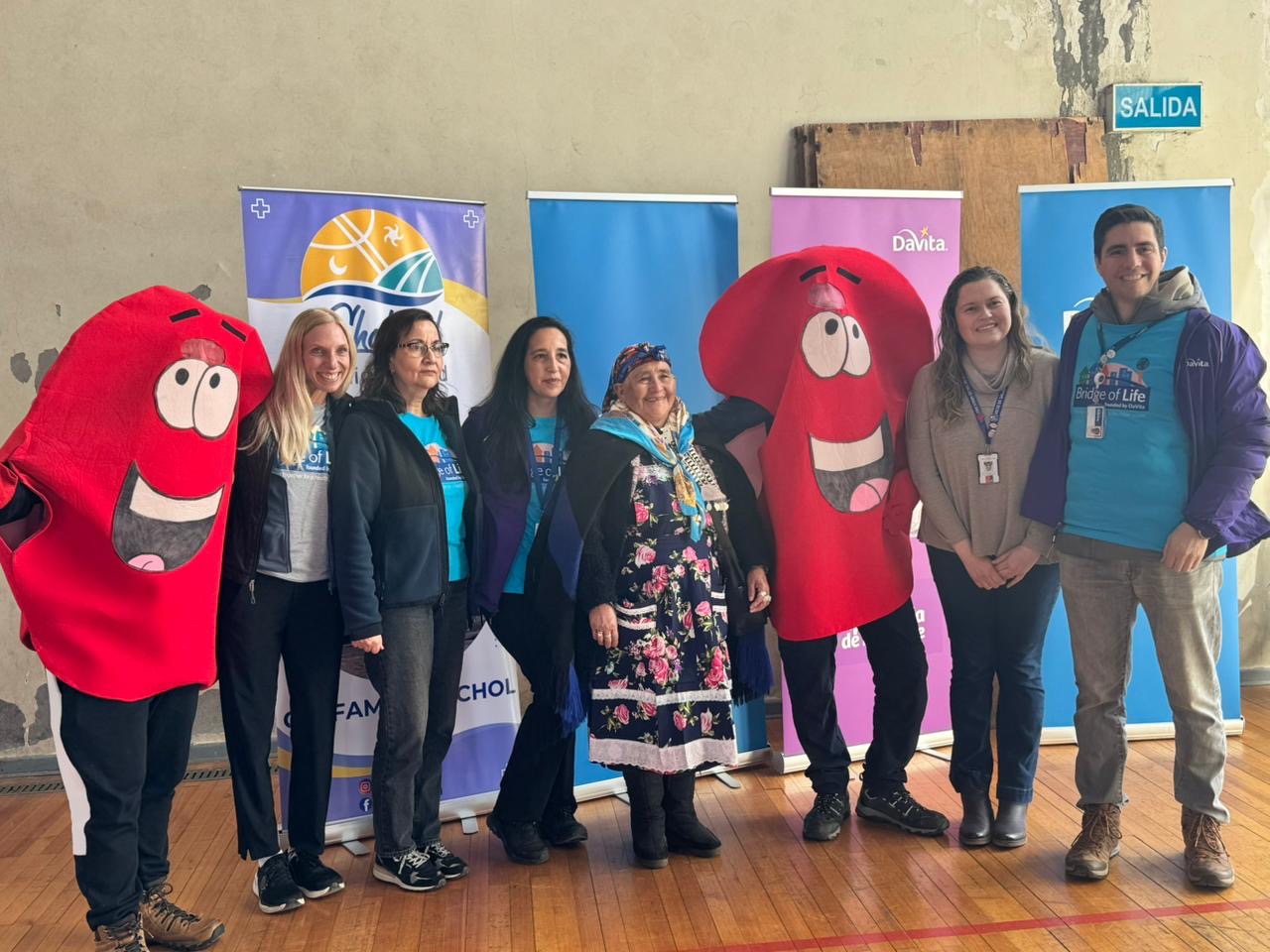
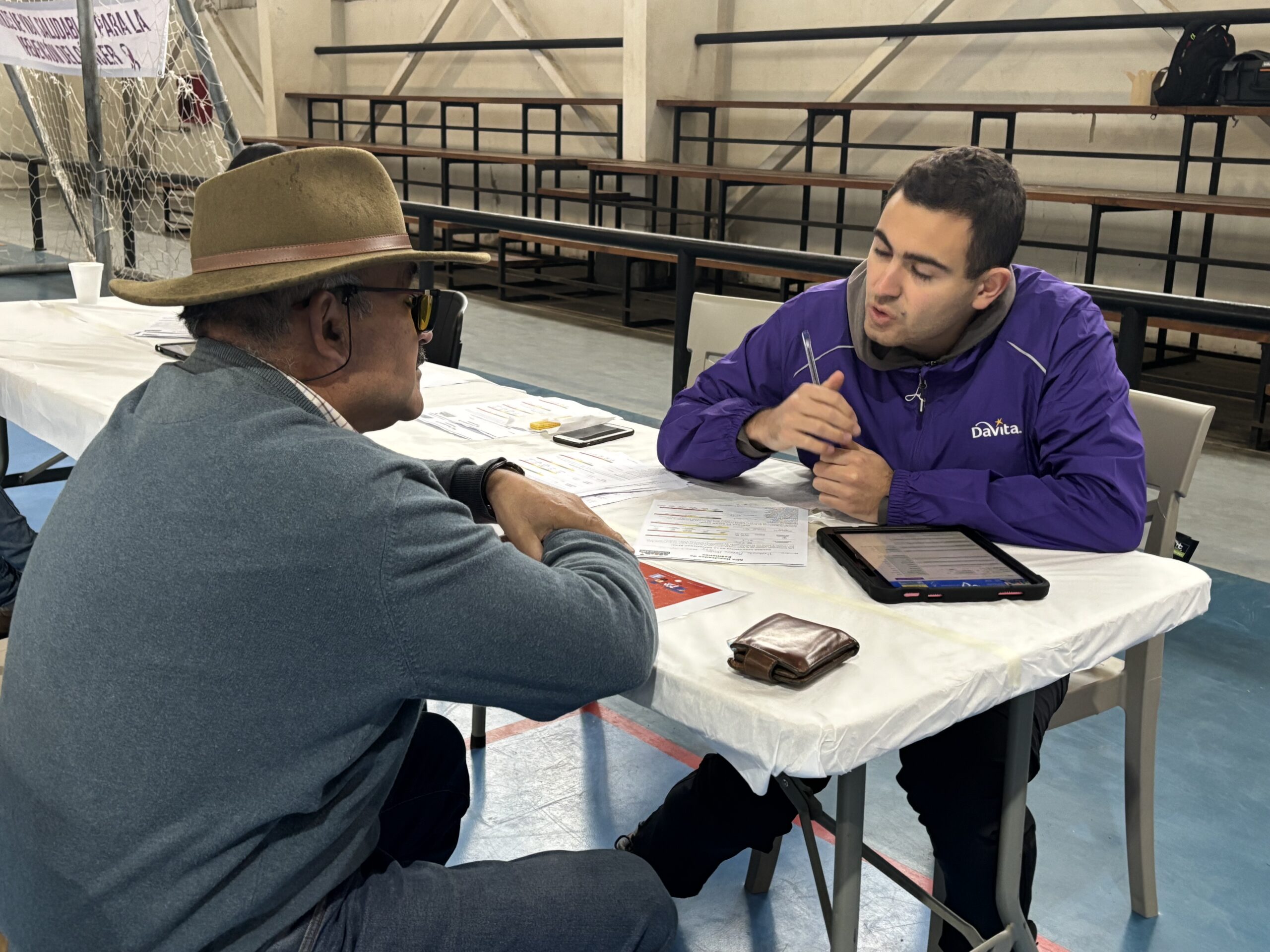
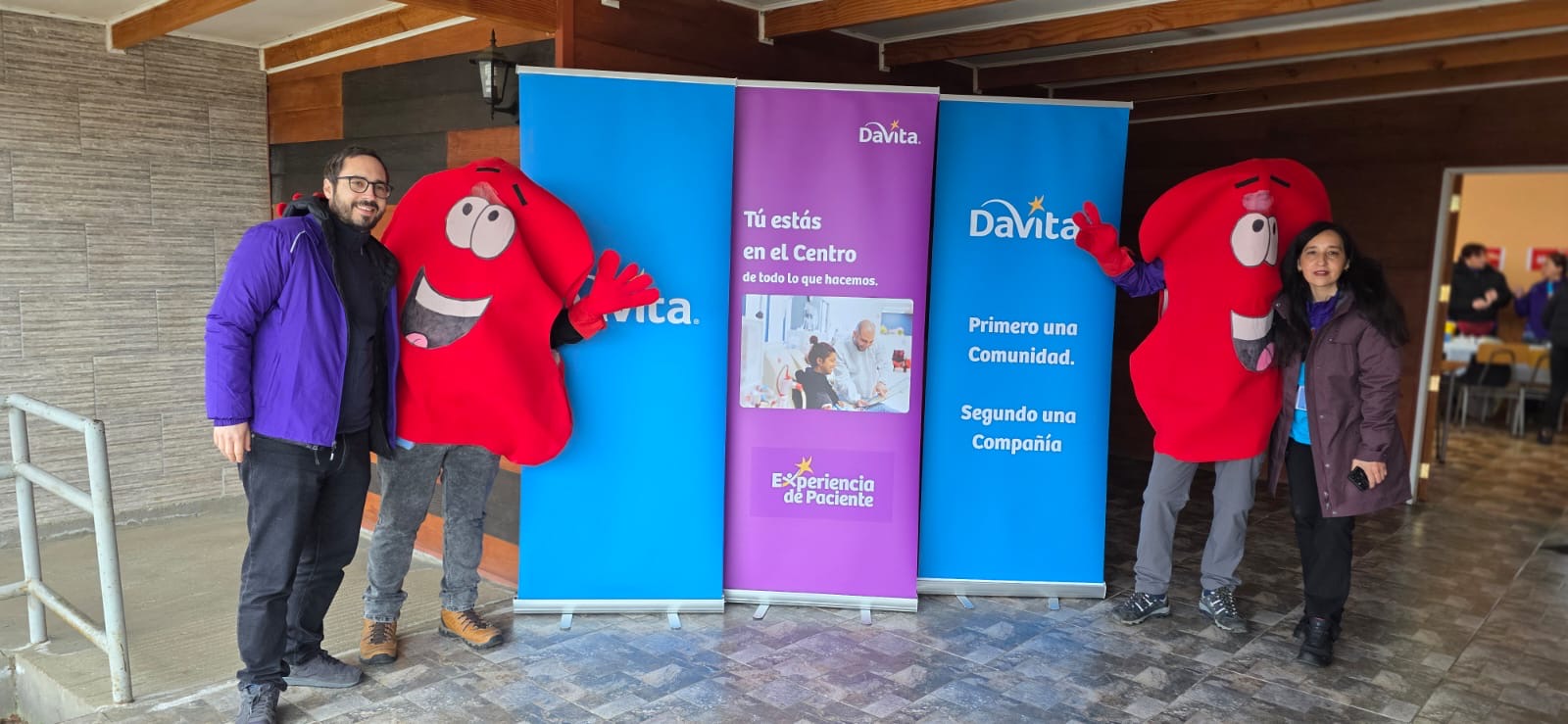
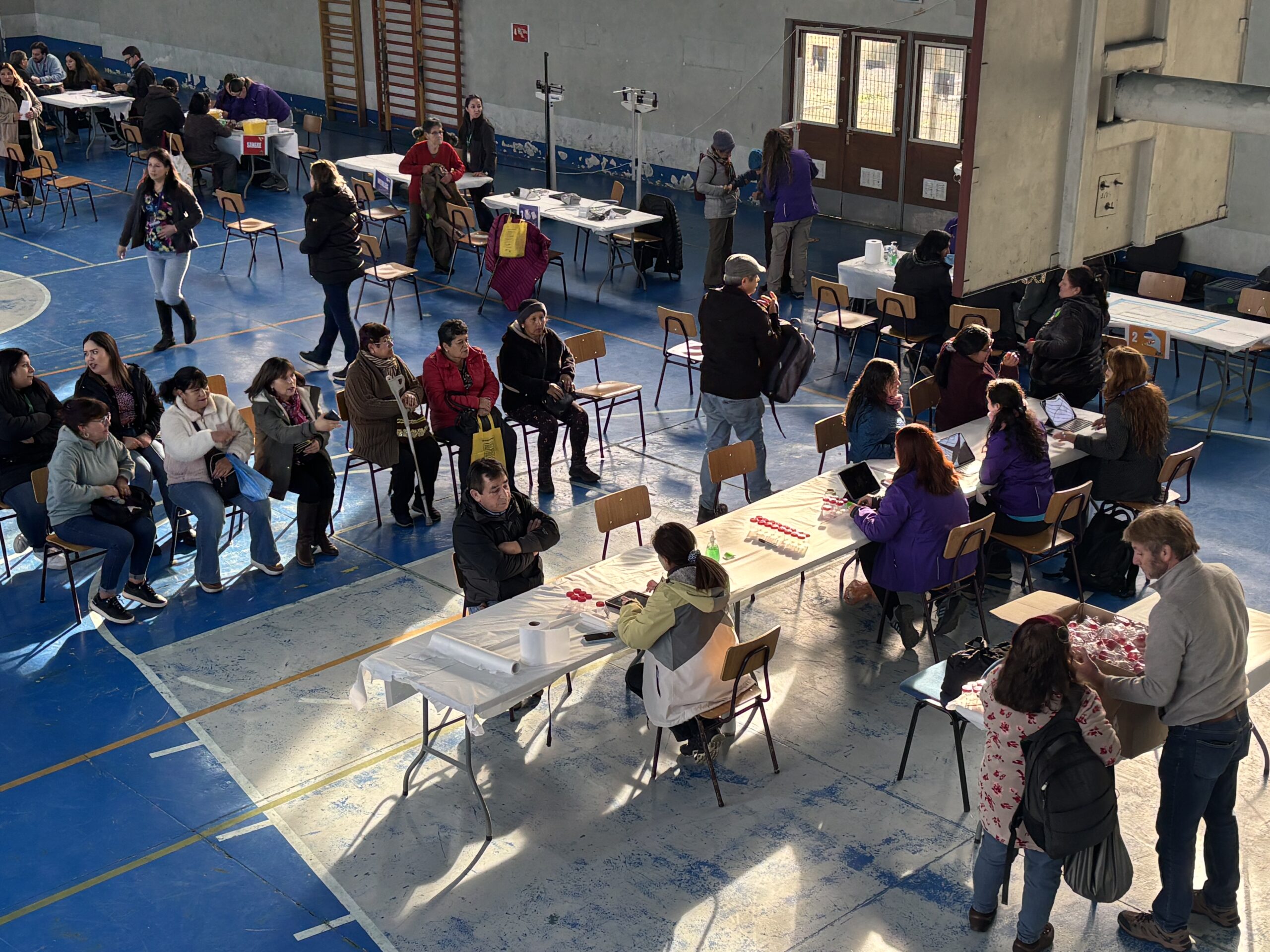
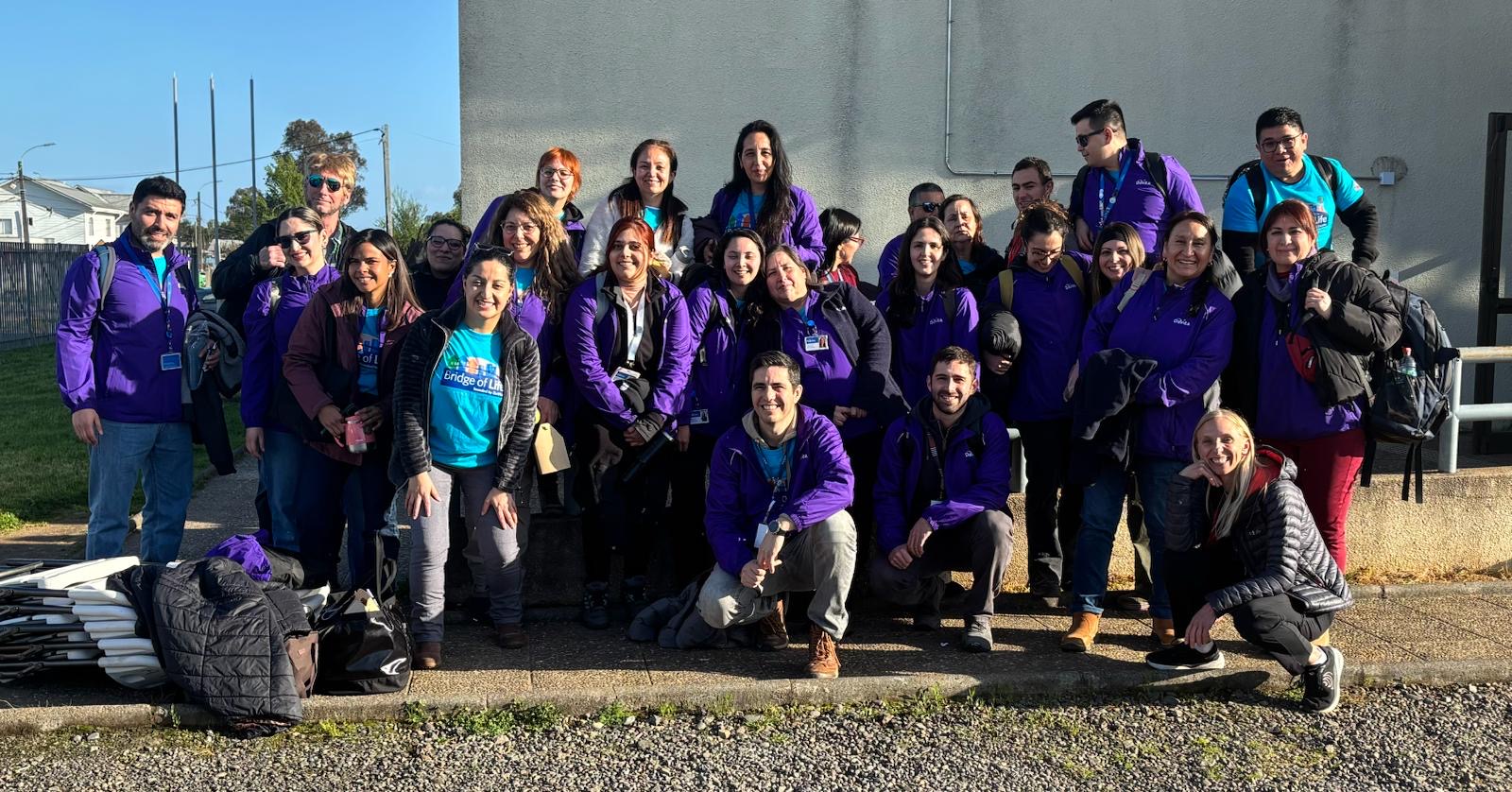
Earlier this month, Bridge of Life, in collaboration with DaVita Chile and the local healthcare system, hosted a large-scale kidney health screening in Temuco, Chile, reaching 1,626 community members. The initiative highlights how chronic kidney disease prevention can be effectively scaled through strong partnerships, coordinated public–private engagement, and a comprehensive screening model. The results revealed a significant need: 15% of participants had CKD and 80% had high blood pressure.
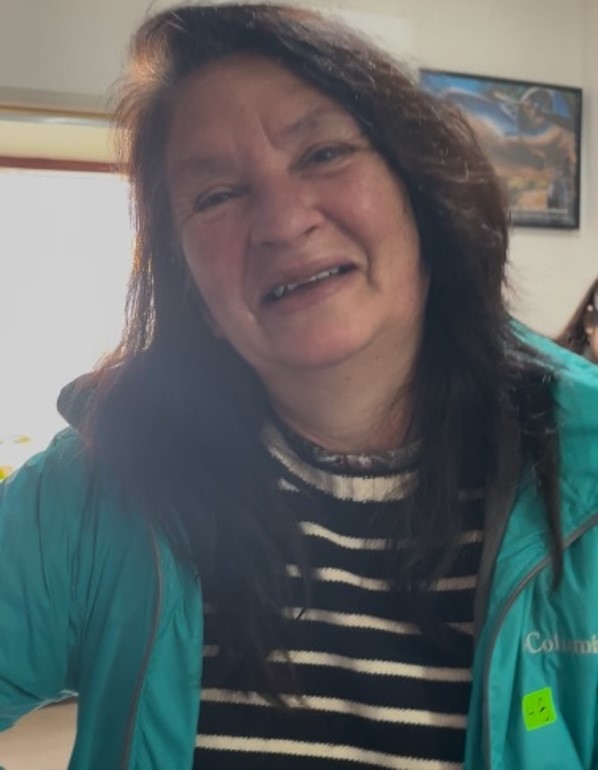
Among those screened was María Ximena, who came seeking practical steps to protect her health. Her motivation was deeply personal because her sister is currently on dialysis, and she hopes to one day become her kidney donor. She knows that maintaining her own health is essential to make that possible.
Through the screening, María Ximena received immediate results, personalized education, and clear next steps for managing her condition. Reflecting on her experience, she shared, “I came here to help my sister. In just minutes, I received the information and guidance I needed to take better care of myself… and to support her, too.”
Her story reflects the broader impact of these efforts: providing early detection, education, and hope for communities across Southern Chile. BOL looks forward to continuing its work in Chile, strengthening partnerships and expanding preventive care to reach even more people.
Breaking News-letter: Syria and Lebanon
|
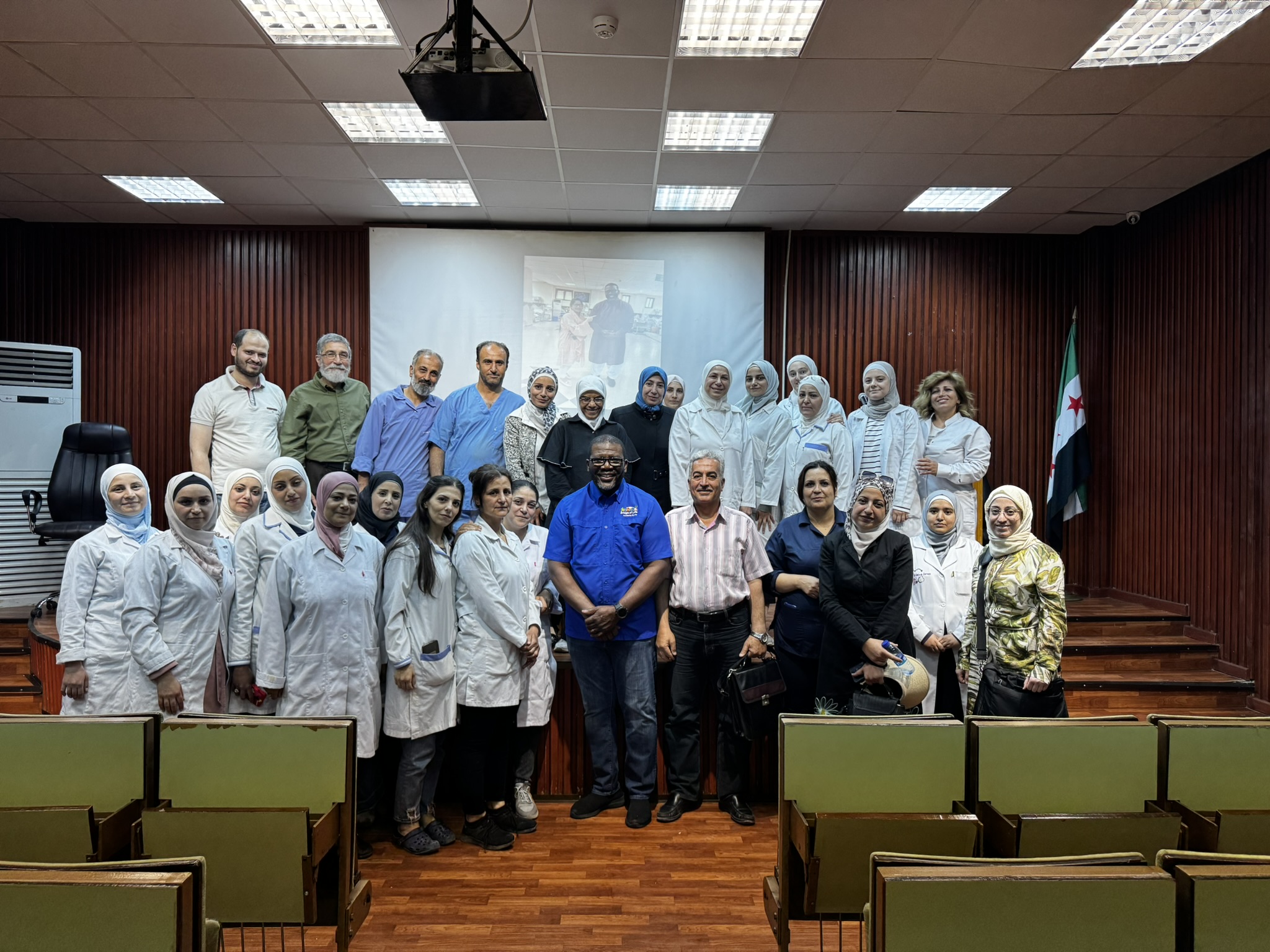
BOL’s Director of Technical Programs, Christopher E. Atwater Sr., recently returned from the Middle East after performing assessments and water treatment training for dialysis clinics in Syria and Lebanon. |
|||
|
Our team at Bridge of Life strongly believes that everyone deserves access to quality healthcare services, and we’re committed to supporting partners around the world where specialized expertise is required. In several dialysis centers, Chris assessed infection control, clinical practices, water treatment systems and technical operations. The goal was to ensure that our dialysis capacity partners can provide safe, effective treatment even in the most challenging circumstances. Our History: Since 2015, Bridge of Life has partnered with free Syrian medical professionals, building lasting relationships with biomedical technicians, nurses, and nephrologists.
|
She Lost Her Sight, Not Her Spark – Help Melissa See Again
Meet Melissa – Melissa is a bright and curious 21-year-old from Guatemala who lights up every room with her energy. When we first met her, she playfully repeated her phone number in five different languages just to make us smile. Despite facing tremendous health challenges, her spirit remains unbroken—she’s full of questions about the world and shares her joy with a radiant, beaming smile.
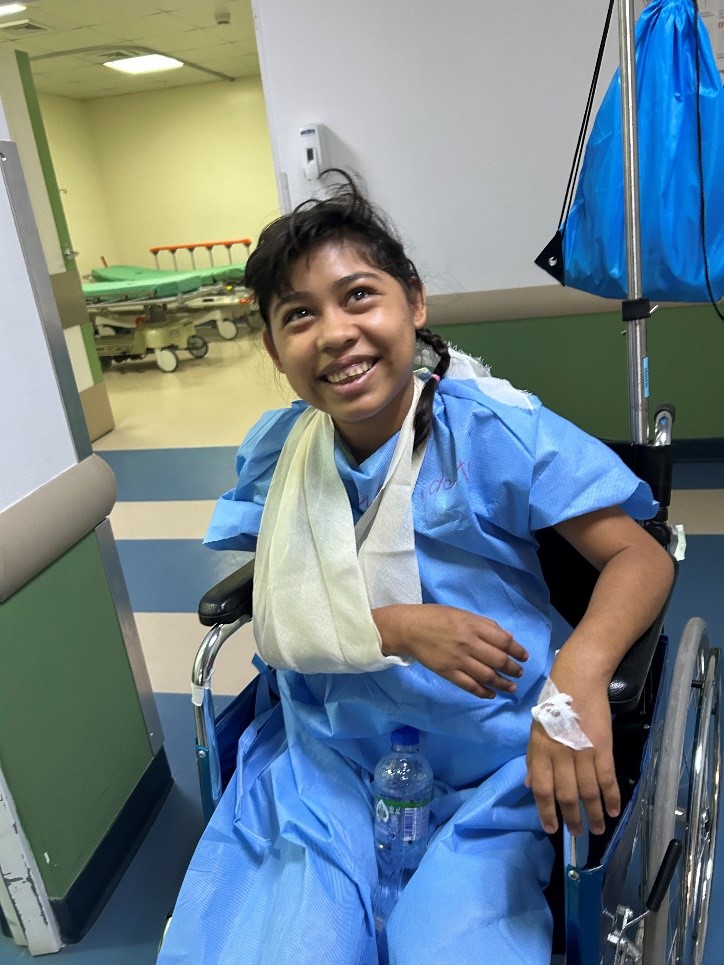
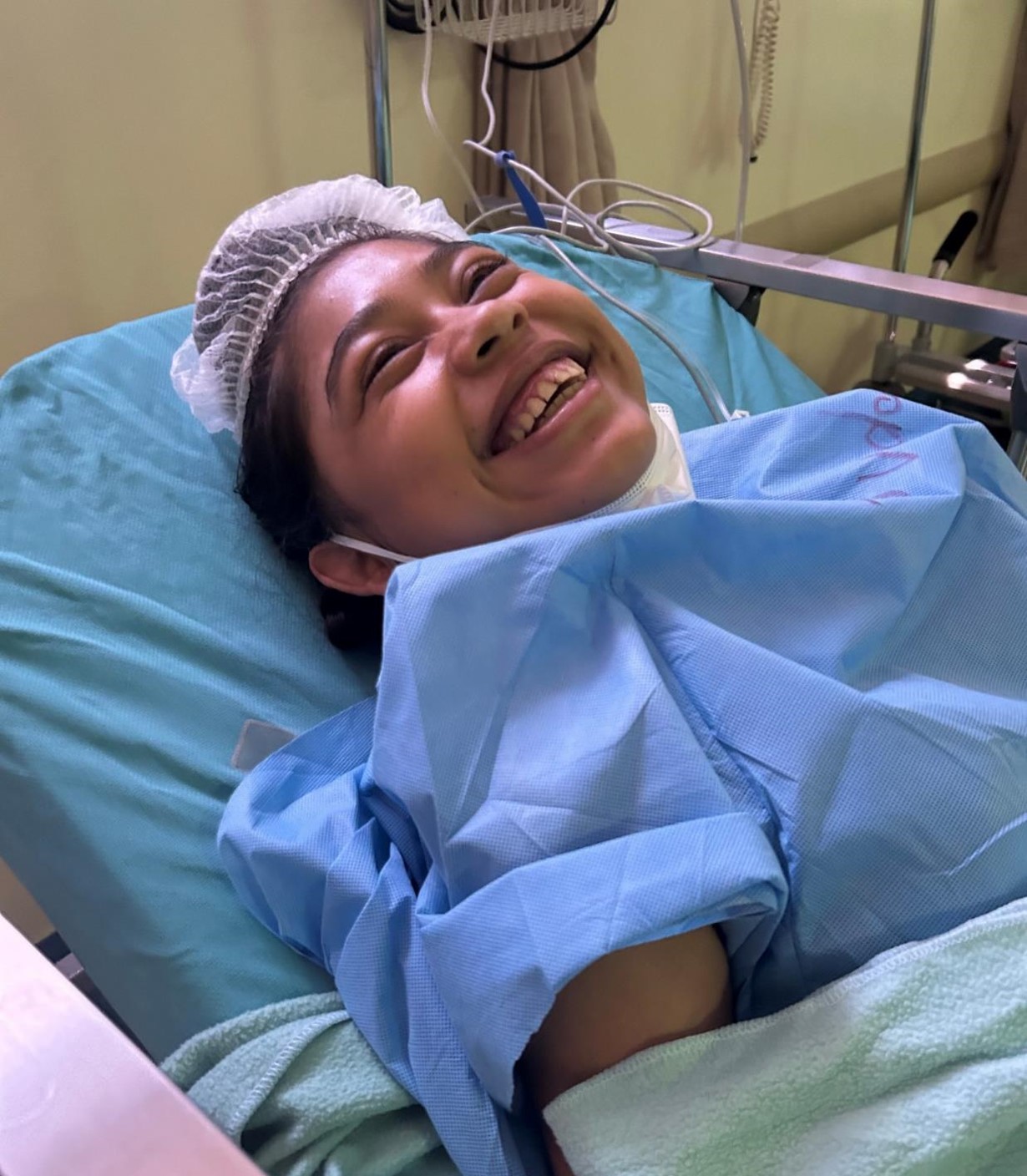
Melissa has lived with diabetes since childhood, and it has slowly taken a toll on her eyesight. Nearly blind now, her family had begun raising money for eye surgery—with help from their church, neighbors, and friends. But last September, just before her surgery, tragedy struck. On the way to a pre-op appointment, a truck ahead of her car dropped lumber onto the road. Melissa’s vehicle was hit. She suffered a serious leg injury and spent weeks in the hospital recovering. She shared that the medication damaged her kidneys and she now lives with end stage renal disease.
Her family had to use the money saved for her eye surgery to cover her emergency care.
Today, Melissa navigates the world with a cane as her vision continues to decline. Yet through it all, her spirit remains bright. There’s still hope for her to see clearly again—and that’s where we come in.
We’re raising $2,000 to help cover the cost of Melissa’s much-needed eye surgery.
Please join us in making a difference, and let’s give Melissa the chance to see the world again….clearly, brightly, and fully.
Your donation, no matter the size, will bring Melissa one step closer to seeing the world that she loves to explore and learn about. Together, we can help Melissa see again. Thank you for your compassion and generosity.
A New Lease on Life – Our Work in Haiti
View our Haiti 2025 Photo Album
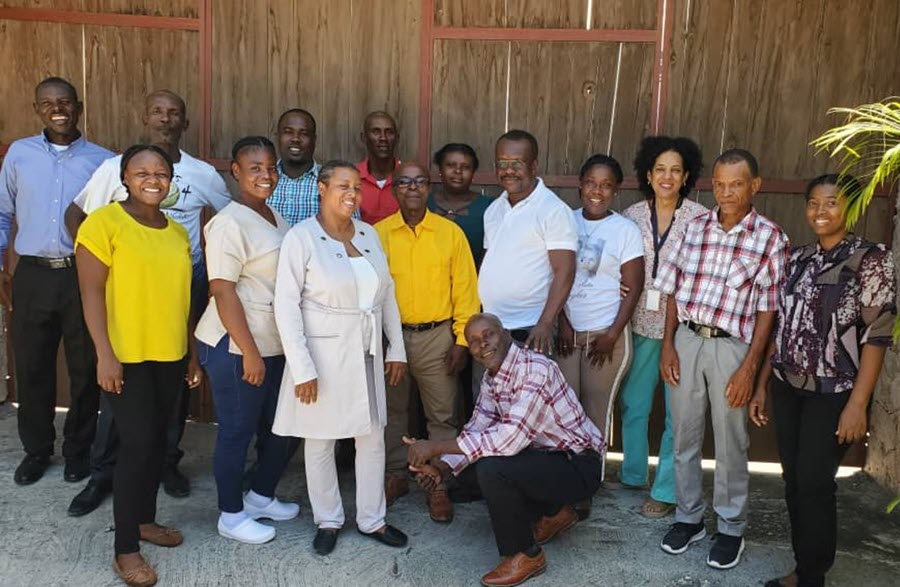
In January, BOL successfully completed a 3-year project focused on improving healthcare delivery in Haiti. Because of the political unrest and ongoing challenges, Haiti has become an increasingly difficult place to work. These obstacles affected the project timeline, scope and ability to get supplies, but Bridge of Life and our on-the-ground partner, NECH-CIECH, remained committed to serving and supporting community members of the Port Salut region.
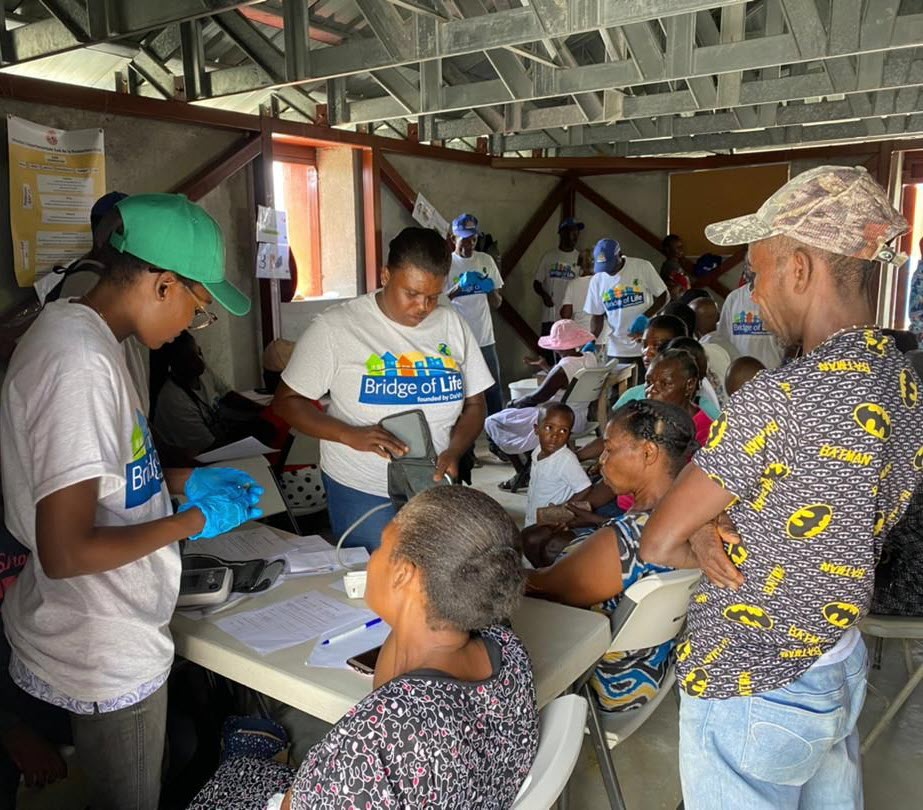 Through this project, we screened 1,770 community members for hypertension, diabetes, and kidney disease. Additionally, we organized 293 health-focused activities that engaged over 5,800 attendees, promoting wellness and disease prevention community wide.
To support ongoing care to those that need it most, we connected 570 high-risk individuals with Community Health Workers who provided continuous education, home visits, and health monitoring. In less than a year, 20% of participants saw improved health outcomes, while 62% maintained stable conditions. Although we anticipated stronger outcomes, we must keep in mind the constant stress and uncertainty community members are experiencing every day.
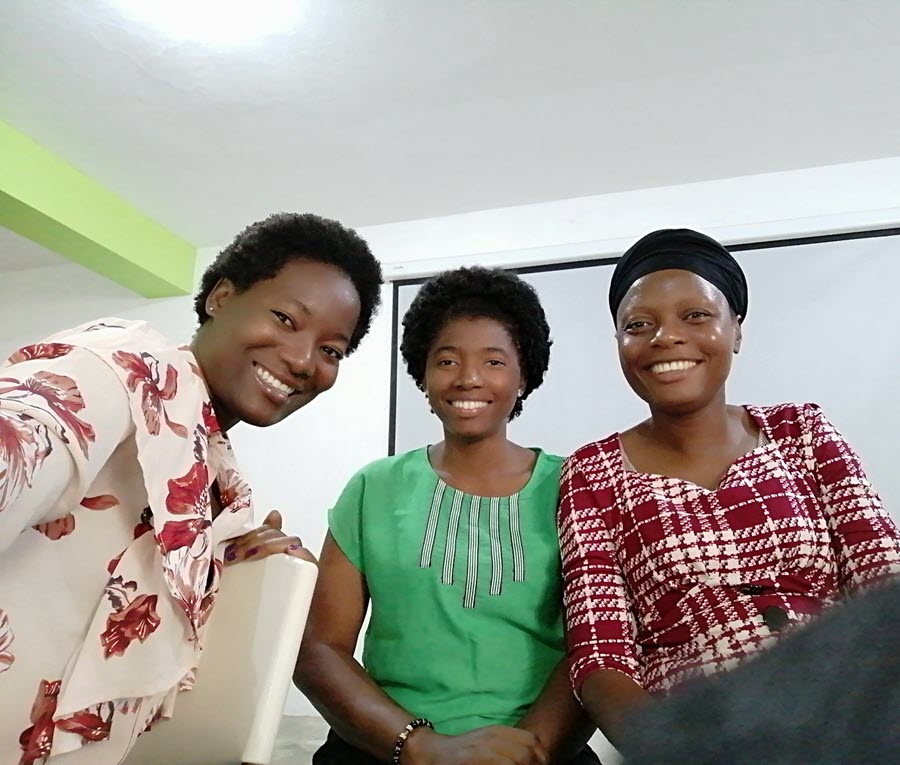 This impact highlights the power of targeted health education and strong local healthcare partnerships in driving meaningful community health improvements, even in resource-limited settings. Thank you to NECH-CIECH for persevering and thank you to the Cencora Impact Foundation for ensuring that this program was completed.
Please read Mrs. Louis’ story below highlighting her involvement in this program!
A New Lease on Life
At 62 years old, Mrs. Louis, originally from Port Salut, is married and the mother of three children.
Out of curiosity, she accepted a friend’s invitation to attend a yoga club organized by a community health worker (CHW) associated with NECH-CIEH. Shortly after, Mrs. Louis formally joined the program. She attended sessions at least twice a week and quickly became part of the program.
Diabetic and hypertensive, Mrs. Louis’ fragile health had put an end to her professional activities as a merchant. For her, undertaking a physical exercise program marked a turning point in her life. Previously unable to walk, she can now do so with ease. She struggled to sit due to pain, but now she can do so effortlessly. Even walking uphill once seemed impossible, but today she can do it without getting short of breath.
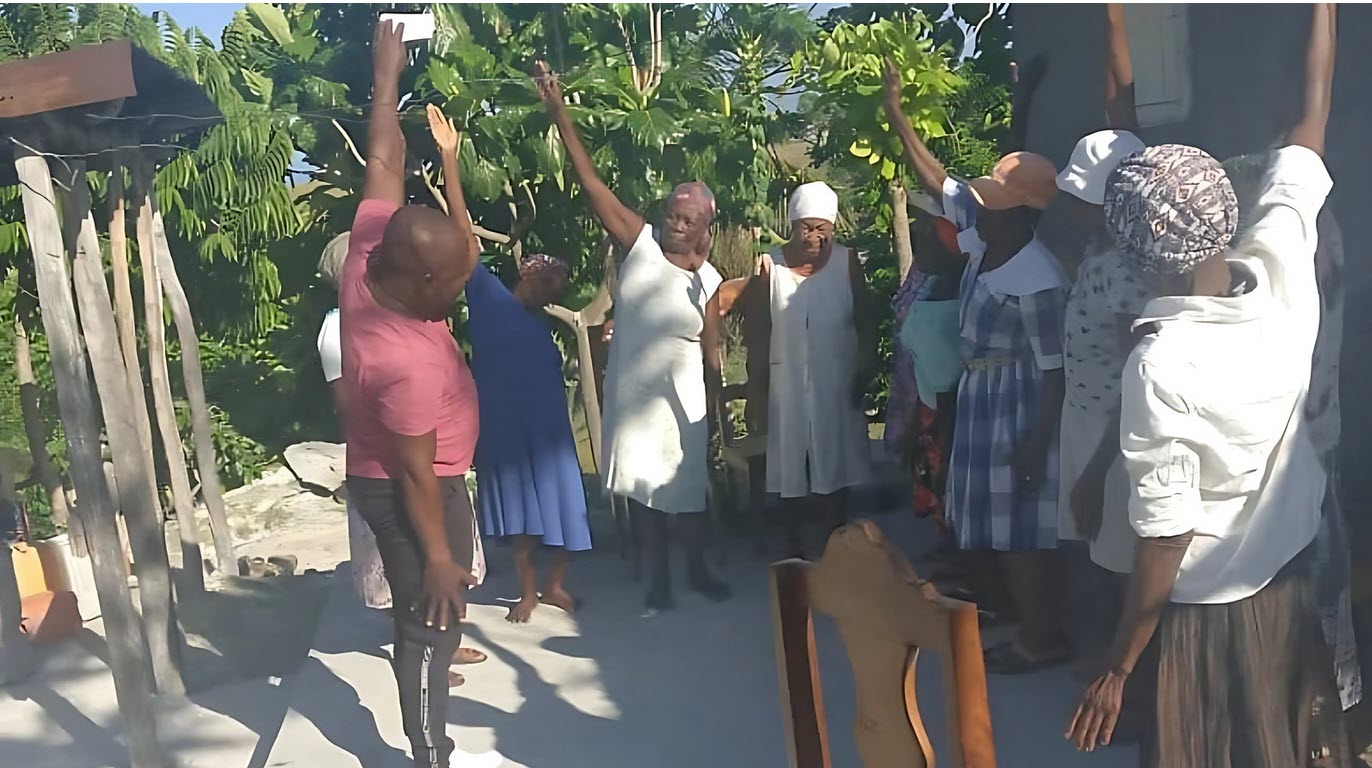 “I can stand on my own two feet. I can do everything with my body thanks to the exercises,” she says enthusiastically.
Mrs. Louis has also observed the benefits of exercise combined with medical care among other participants in the program, noting that the combination of medication and exercise has brought them relief and, like her, has allowed them to return to their daily activities. Prior to participation in the program, they also struggled with mobility or sitting for long periods of time. Some even saw their blood sugar levels decrease thanks to live-saving medication.
Mrs. Louis strongly hopes the activities will continue, as many participants cannot afford to access medical treatment due to financial constraints. For them, this program plays a vital role in bridging the gap between their homes and the hospital. It helps them measure and control their blood pressure and blood sugar levels and better manage their illnesses. Inspired by her progress so far, Mrs. Louis has even started searching for exercise videos on YouTube to keep improving her health.
Although she now feels capable of resuming her professional activities, her children, concerned about her health, prefer that she stay at home. She respects their decision.
When asked about the role of nurses in the program, she responds with pride: “My daughter was a nurse in Haiti. Today, she is in Canada and is pursuing studies to practice in that country.”